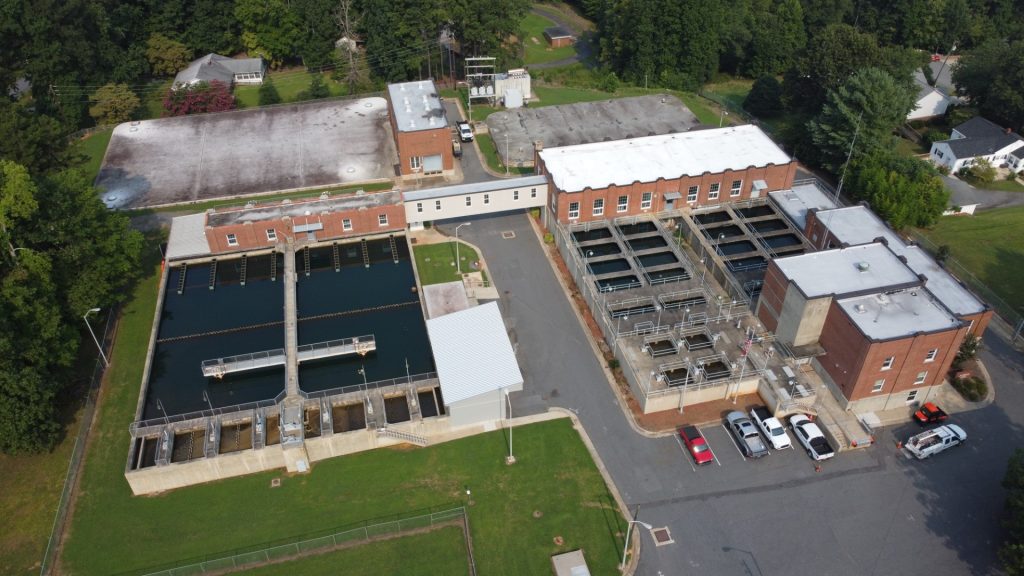
ASHEBORO N.C. (ACME NEWS) — A Superior Court judge has ruled against the city of Asheboro, saying that the state’s Department of Environmental Quality is allowed to limit the amount of 1,4-dioxane in wastewater that is discharged into Hasketts Creek, which feeds into the drinking water supply to around a million residents downstream.
Background
In August 2023, the North Carolina Department of Environmental Quality (NCDEQ) issued a new wastewater permit to the City of Asheboro aimed at controlling 1,4-dioxane—a “likely carcinogen” known to cause long-term damage to the liver and kidneys. To protect public health, the agency set strict monthly and daily discharge limits based on EPA guidelines. Those guidelines identify 0.35 parts per billion (ppb) as the maximum safe level in drinking water, a threshold designed to keep the lifetime risk of cancer below one case per million people.
Legal pushback from Asheboro, Greensboro, and Reidsville initially stalled the state’s efforts. They took the case to the Office of Administrative Hearings, where Judge Donald Van Der Vaart sided with the cities in September 2025.
Van Der Vaart, a critic of heavy regulation and a former head of the NCDEQ, ruled that the state environmental regulators overstepped their authority by imposing the limits without following a full rulemaking process. He officially voided the limits, calling the agency’s actions “arbitrary and capricious.”
Shortly after Van Der Vaart ruling, the U.S. EPA’s Region 4 office formally objected to Judge Van Der Vaart’s decision. The EPA warned that if North Carolina failed to reinstate the limits within 90 days, the federal government would take over the state’s authority and issue the permit itself to ensure the water supply remained safe.
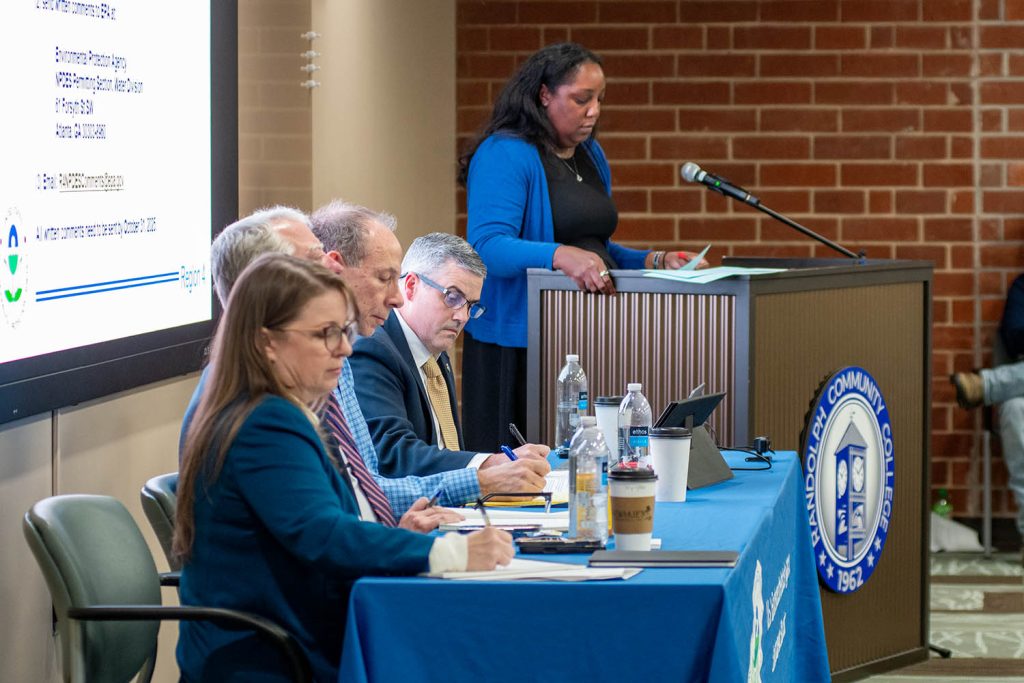
Following this objection, a public hearing was held in late 2024. While the agency has collected public comments, it has yet to announce a final decision on whether it will allow NCDEQ to re-issue the permit with the 1,4-dioxane limits or if the EPA will seize control of the process.
Court’s Decision
NCDEQ appealed the administrative judges ruling to the Wake County Superior Court where Judge Graham Shirley, a Republican, was assigned the case and also disagreed with Van Der Vaart’s decision.
In his February 5, 2026, order, Judge Shirley rejected the earlier idea that regulators had overstepped their bounds or acted in bad faith. Rather, finding that the agency acted within the law by prioritizing public safety, saying that “compliance with regulations and a desire to maintain or improve public health cannot be said to be a bad faith decision.”
The decision re‑establishes enforceable limits on 1,4‑dioxane discharges from Asheboro —as well as Greensboro and Reidsville— protecting downstream drinking‑water supplies and clears the way for NCDEQ to continue issuing permits that include limits for pollutants, even when the state does not have a numeric standard.
The decision was quickly praised by DEQ Secretary Reid Wilson and Jeff Jackson the state’s attorney general.
“Because 1,4-dioxane is a pollutant likely to cause cancer in humans, permit limits are necessary to protect North Carolinians’ drinking water and their health,” said Secretary Wilson. “The court order vindicates DEQ’s decision to impose limits to protect downstream communities from this harmful carcinogen.”
“This case is about preventing toxic pollutants from contaminating the rivers that North Carolinians rely on for clean drinking water,” said Attorney General Jeff Jackson. “The Superior Court was right to uphold DEQ’s ability to limit chemicals in our water, and my office will continue working with DEQ to make sure people have clean drinking water.”
Environmental groups who have been fighting the pollution for years also praised the news. “The court confirmed that the law not only allows DEQ to protect our families from toxic 1,4-dioxane in our drinking water—it requires it,” said Jean Zhuang, a senior attorney with the Southern Environmental Law Center (SELC) in a press release.
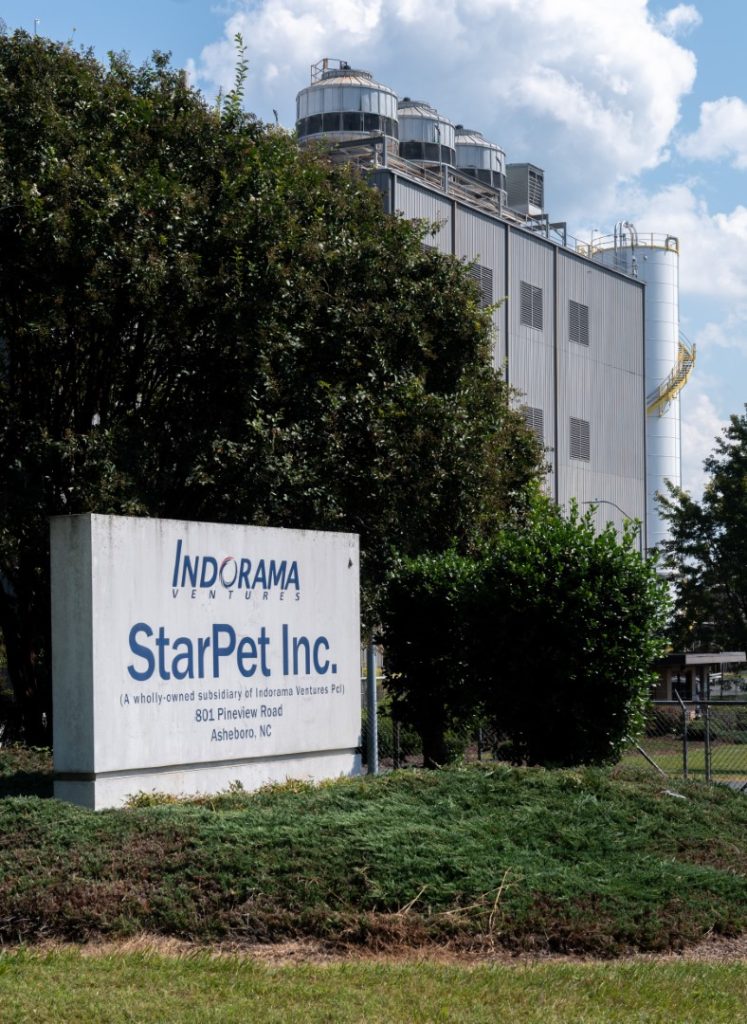
The SELC is representing the Haw River Assembly and Cape Fear River Watch in separate lawsuits against the City of Asheboro over their 1,4-dioxane discharges. StarPet, a plastics manufacturer that discharges into the city’s system, is named as the leading source.
Last year, Asheboro’s wastewater treatment plant discharged 1,4-dioxane at levels as high as 3,520 parts per billion, between Jan and Feb of 2025, according to state records, a level over 10,000 times higher than the EPA Health Reference limit of 0.35 parts per billion. The equivalent of going over 650,000 mph in a 65 mph zone.
Because the chemical 1,4-dioxane passes through treatment plants untouched, it flows into the Cape Fear River basin and into downstream drinking water supplies serving around a million people. Federal health officials say long-term exposure to even trace amounts can increase cancer risks.
The City of Asheboro was unable to be reached for comment on Friday. However, City Manager Donald Duncan said in September that culmination of “the current litigation will determine what, if any, effluent limits for 1,4 dioxane are lawful and enforceable, and that determination necessarily governs Asheboro’s actions going forward.”
All three cities named in the order have filed a request with the NC Court of Appeals to put a hold on enforcement of the court’s decision while they appeal, which they filed on Feb 11.
###