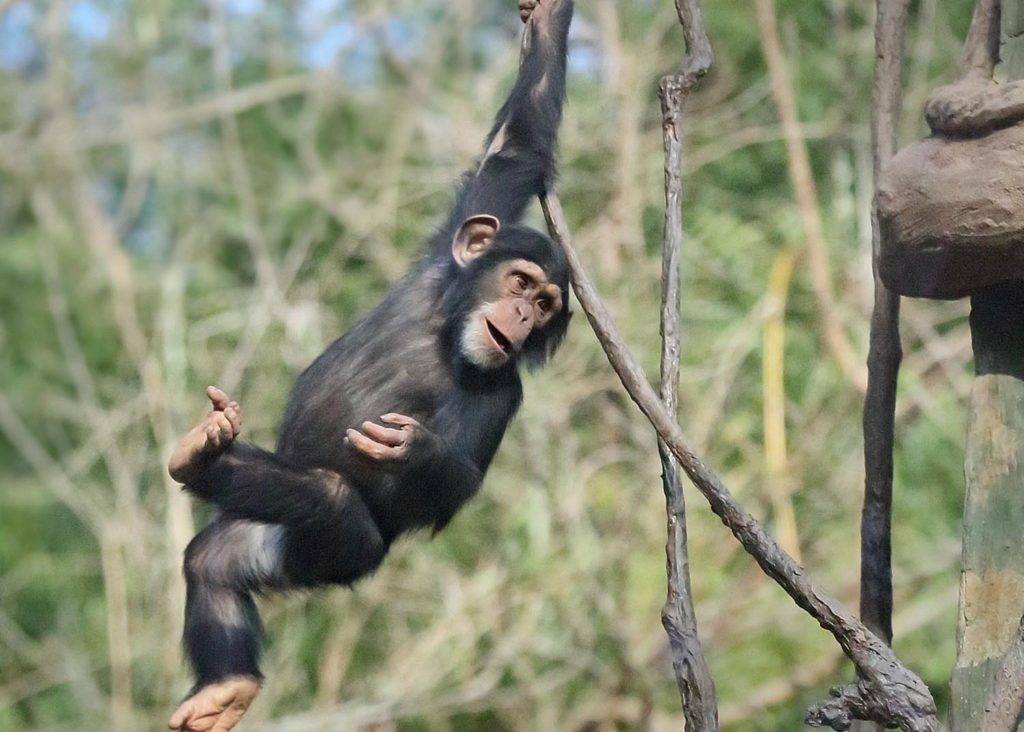
ASHEBORO, N.C. (ACME NEWS) — The North Carolina Zoo euthanized Nori, an 11-year-old chimpanzee, on Monday following a steep decline in her health and quality of life. The chimp had battled uncontrolled epilepsy for six years.
Nori was born at the Zoo on Aug. 2, 2010, but required hand-rearing as an infant after staff determined her mother was not providing adequate maternal care. She was successfully reintegrated with the chimp troop at four months old.
Around age five, Nori began showing signs of disorientation. Her condition progressed to include loss of balance and eventually seizures, leading to an epilepsy diagnosis—a central nervous system disorder characterized by recurrent episodes of sensory disturbance, loss of consciousness and seizures.
Dr. Jb Minter, the Zoo’s director of animal health, said staff worked with Duke Health neurologists specializing in epilepsy to manage Nori’s condition.
“We attempted numerous antiseizure medications through the years with varying success, and unfortunately, Nori’s seizures have never been fully controlled,” Minter said.
In recent years, Nori experienced increased seizure activity and excessive bodily injury. The medications used to manage her seizures also left her drowsy and fatigued. Additionally, other members of the chimp troop began avoiding her, leaving Nori increasingly isolated—a particularly distressing situation for highly social animals.
Jennifer Ireland, the Zoo’s curator of mammals who helped hand-rear Nori as an infant, said the decision was difficult but necessary.
“From the day she was born, Nori captured and held tight the hearts of all that knew her,” Ireland said. “Nori was a goofball and full of sass. Nori’s health challenges over the past few years have been tough on everyone.”
The Zoo’s chimpanzee troop now consists of 15 individuals—nine females and six males. The Zoo participates in the Association of Zoos and Aquariums Chimpanzee Species Survival Plan, which monitors and guides zoo chimp populations while supporting wild chimp conservation efforts.
Chimpanzees are endangered in the wild due to habitat destruction across central Africa. The International Union for Conservation of Nature estimates 172,000 to 299,000 remain in the wild.
###