ASHEBORO, N.C. (ACME NEWS) — The North Carolina Zoo euthanized Natalie, a 30-year-old southern white rhinoceros, on Jan. 10 after her health declined despite ongoing treatment, zoo officials announced.
The 4,000-pound rhino had lived at the Zoo since 2007, when she arrived with her son Lyonnel from White Oak Conservation Center in Florida, where she had given birth to two males, Tony and Dominique. All three of her offspring remain at accredited zoos across North America.
Veterinary and animal care teams had been treating Natalie for chronic kidney failure, anemia and multisystemic disease for several months. Dr. Tim Georoff, an associate veterinarian at the Zoo, said the animal’s condition deteriorated despite treatment efforts.
“Unfortunately, her health was in a steep decline despite treatment efforts, which led to a decrease in quality of life,” Georoff said. “This week, the animal care and vet teams made the difficult decision to euthanize Natalie when treatment efforts were no longer effective.”
A full pathology report will provide additional information about Natalie’s condition in the coming weeks.
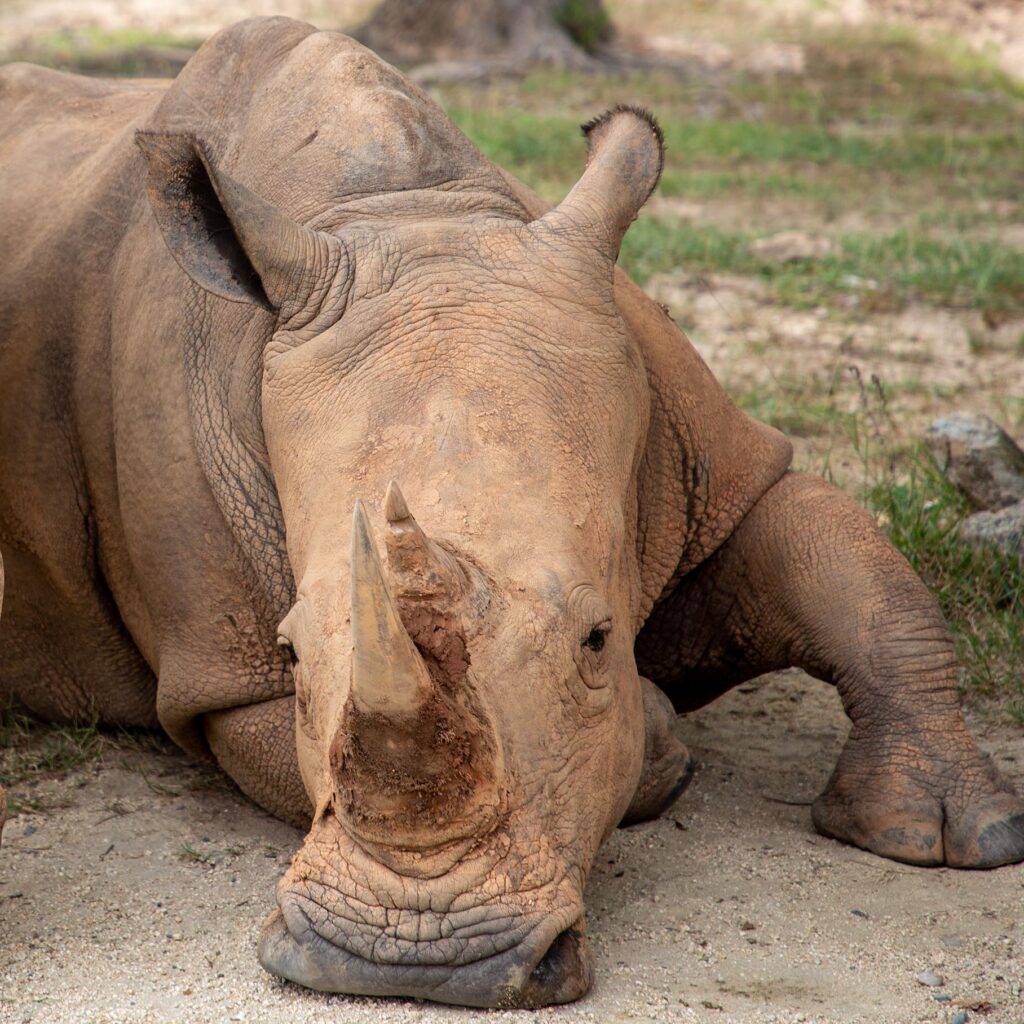
Jade Tuttle, an Animal Management Supervisor who spoke for the rhino keepers, described Natalie as an independent animal who gradually became more affectionate over her years at the Zoo.
“She was a very smart rhino, often leaving us wondering who was training whom,” Tuttle said. “In her declining health, she began to seek out affection from staff and was dedicated to her bestie, rhino Abby. Her wild spirit was one of a kind, and she will be missed by our crash.”
Southern white rhinos are the most social of the rhino species, living in groupings called “crashes.” The Zoo’s rhino crash now consists of seven females: Linda, Kit, Abby, Nandi, Bonnie, Jojo and Mguu.
While rhinos in the wild typically live into their early 30s, those under human care can live into their early 40s.
Zoo staff work on conservation projects across Southern Africa to protect the species using SMART technology, an application that helps national parks and protected areas monitor wildlife distribution and combat poaching.
Southern white rhinos were hunted to near extinction by the early 20th century for their horns, which some mistakenly believe have medicinal properties. Rhino horn is composed of keratin, the same material found in human fingernails and hair.
Wild populations, estimated between 19,000 and 21,000, continue to face significant threats from poaching and habitat loss. The second-largest land mammal after elephants, southern white rhinos grow 12 to 13 feet long and weigh 4,000 to 5,000 pounds at full maturity. The herbivores graze on grass, helping maintain diverse African grasslands and providing habitat for other species.
###