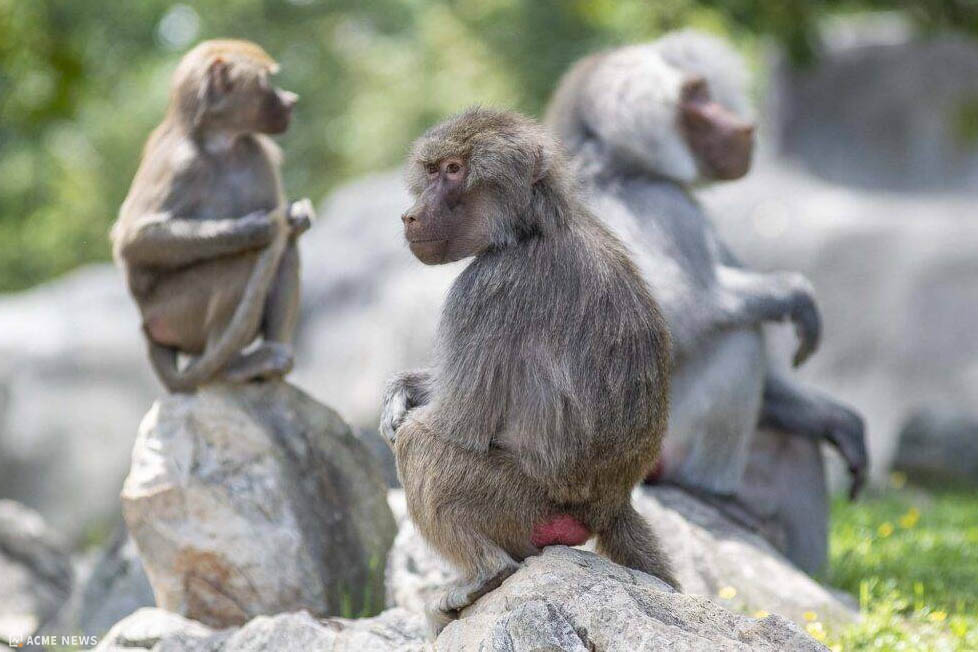
ASHEBORO, N.C. (ACME NEWS) — The North Carolina Zoo’s baboon habitat reopened this week following a $5.2 million renovation that kept the zoo’s 22-member troop behind the scenes for nearly three years.
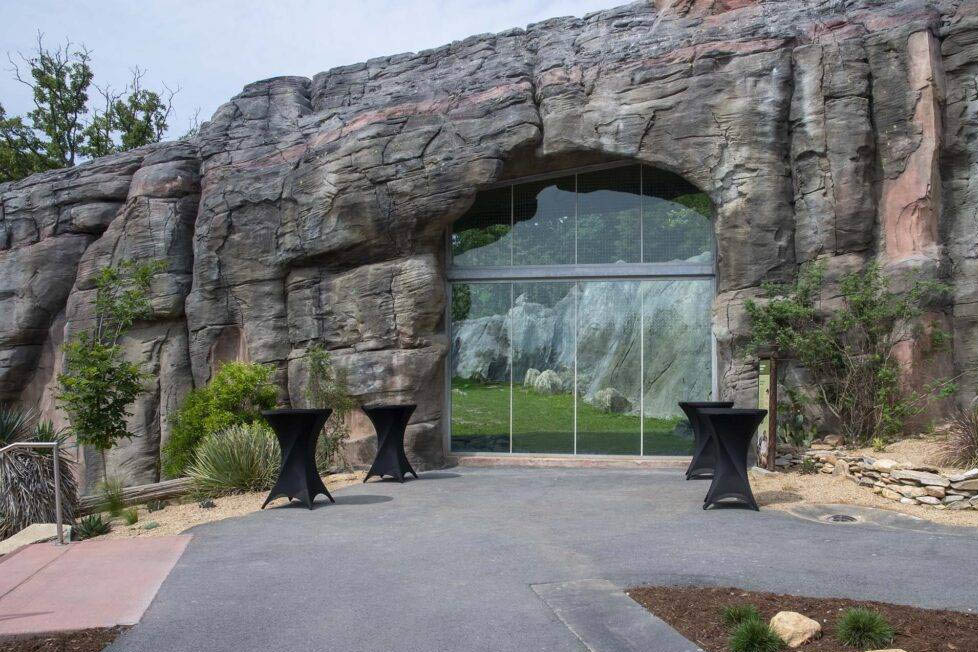
The habitat, which closed in March 2020, features a new 4,000-square-foot dayroom, improved indoor quarters with viewing areas, a 40-foot vertical climbing and play structure, and expanded ADA access. The redesign uses some existing infrastructure from the former Africa Pavilion, which was demolished in 2020, while maintaining the appearance of an entirely new exhibit.
The baboons arrived at the North Carolina Zoo in 1978, making them one of the oldest animal groups at the facility. The troop of 22 baboons — ranging from senior adults to infants — is the largest in the United States, tied with the San Diego Zoo.
The renovation was funded through North Carolina’s 2016 voter-approved Connect Bond. The project was led by Cadence Design, Little Diversified Architectural Consulting, and Rogers Construction, with substantial internal design and construction work by zoo staff.
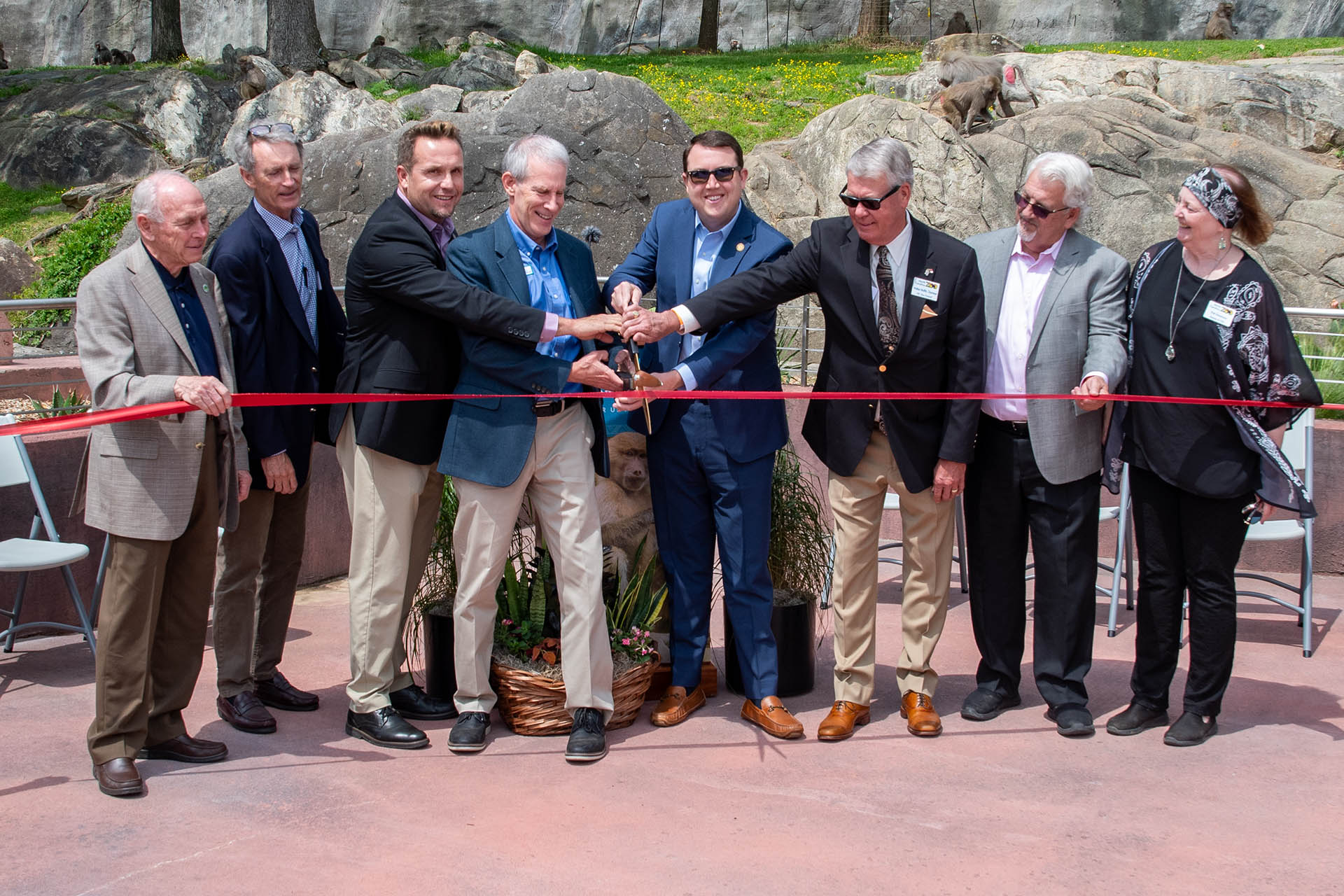
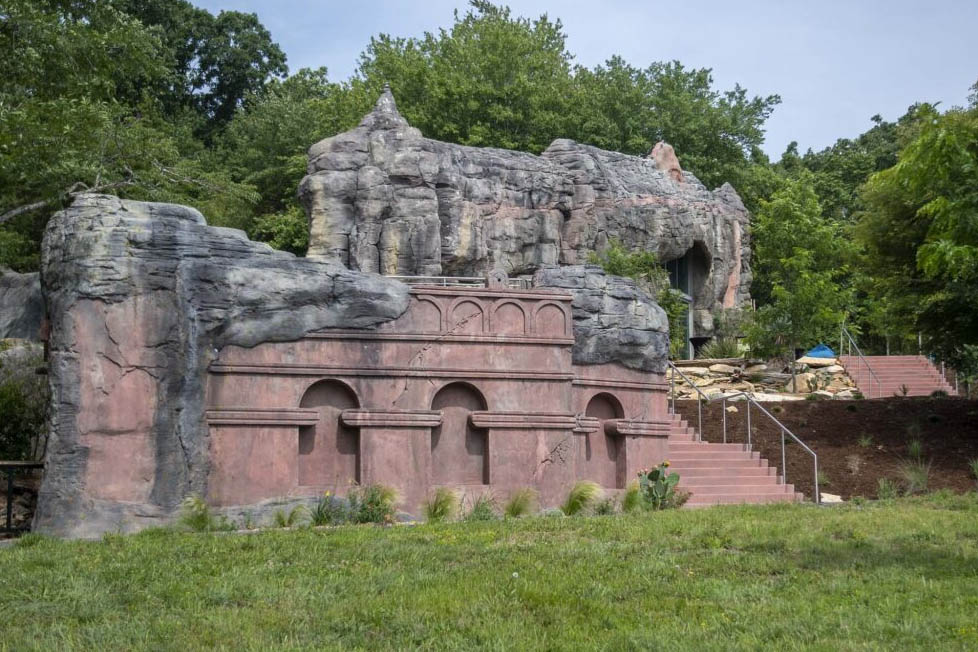
“The entire Ethiopian Ruin and all the rock work on it was designed and built by our own team,” Pat Simmons, director and CEO of the North Carolina Zoo, said. “All of the landscaping and everything was done in house. You can see it’s very custom, and that just shows that our people make an extra special effort to make this truly the world’s largest natural habitat zoo.”
Walker Moffitt, chairman of the NC Zoo Council, praised the work at the Tuesday reopening event attended by state and local elected officials.
“What our staff creates for us is simply amazing,” Moffitt said.
Simmons said the renovation reflects the zoo’s commitment to animal welfare and visitor experience as the facility continues expansion efforts, including the Asia continent project expected to open in 2026.
“We are grateful for the consistent support from the state and people of North Carolina who truly made this renovated habitat possible,” Simmons said.
🐵 About Hamadryas Baboons
Social Structure
In hamadryas baboon society, large troops form when baboons gather together at sleeping spots for better protection at night. As the troop leaves a sleeping site, it breaks down into smaller groups called bands that break apart from the troop to forage and travel together. Most social interactions happen within bands.
Physical Characteristics
Hamadryas baboons are large-bodied monkeys with muscular build. Male hamadryas baboons have a distinctive mantle (mane) of long silvery hair, bright pink face, and backside while females have light brown fur.
Size & Lifespan
Hamadryas baboons can live up to 20 years in the wild and up to 31 years under human care. Males weigh 40-45 pounds, and females 20-25 pounds.
Conservation Status
Hamadryas baboons exist in stable populations and are listed as a species of Least Concern on the IUCN Red List of Threatened Species.
###