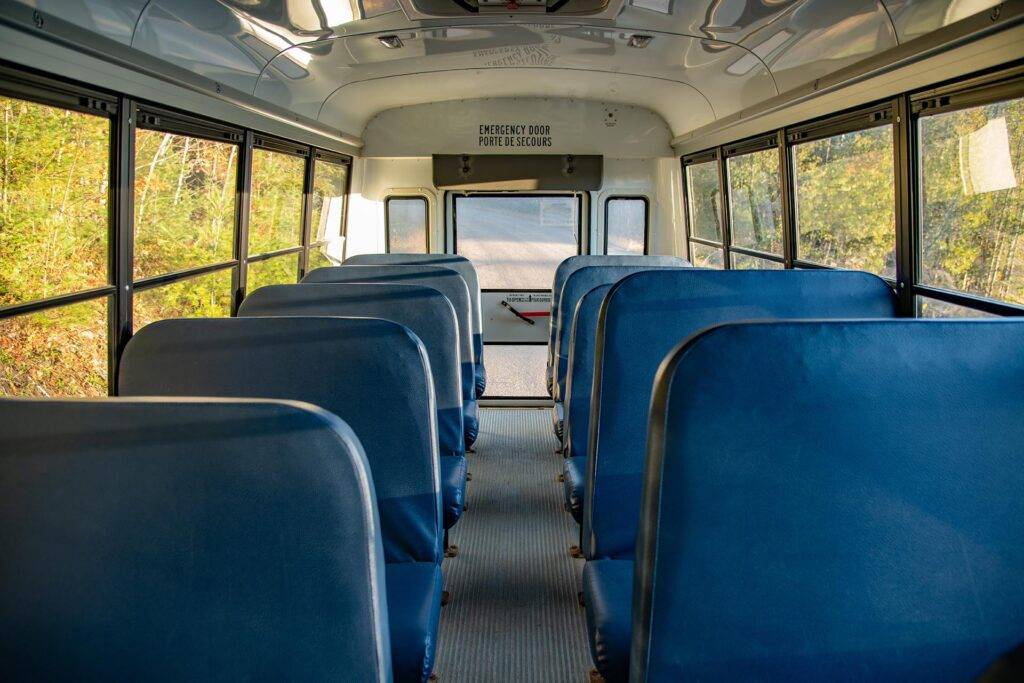
ASHEBORO, N.C. (ACME NEWS) — Two school bus crashes in October 2023 sparked online debate about the safety of school transportation. An analysis of North Carolina traffic data from 2015 to 2022 suggests those concerns may be overblown.
School bus accidents account for less than 1% of all traffic fatalities nationally, according to the National Highway Traffic Safety Administration. North Carolina data confirms that pattern.
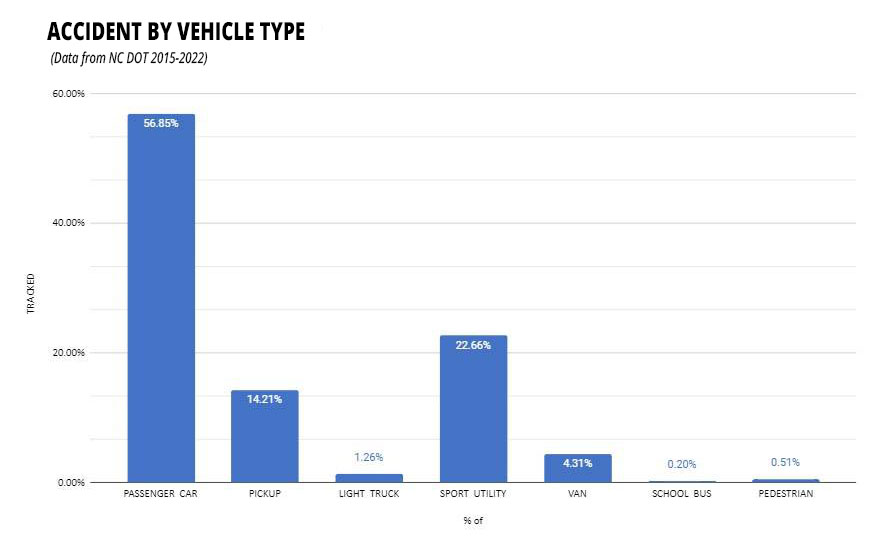
Over eight years, North Carolina reported more than 3.8 million traffic accidents. School buses were involved in 7,124 to 7,247 of those crashes—just 0.20% of all accidents involving common student vehicles including cars, trucks and SUVs. Of those school bus crashes, 1,961 resulted in injuries and 36 involved fatalities.
By comparison, there were 2,057,250 crashes involving passenger cars and 819,986 involving SUVs during the same period.
The Seatbelt Debate
Federal standards do not require seatbelts on school buses with a gross vehicle weight exceeding 10,000 pounds. Instead, buses rely on their weight and “compartmentalization”—the design of seat compartments to absorb impact forces on child passengers.
Research from North Carolina State University’s Institute for Transportation Research and Education indicates compartmentalization effectively protects occupants in frontal and rear-end impacts, provided students remain properly seated in their compartments.
The National Highway Traffic Safety Administration has resisted mandating three-point seatbelts on all school buses, citing concerns that the cost could reduce bus capacity and force more students to use less safe transportation methods.
In 2011, the NHTSA estimated equipping a large school bus with seatbelts would cost between $7,346 and $10,296. While mandating seatbelts could save an estimated 2 lives annually, the agency projected that reduced bus capacity would result in 10 to 19 additional school transportation fatalities annually.
North Carolina’s Seatbelt Experiment
In 2003, North Carolina tested seatbelt effectiveness on school buses. Eleven districts received thirteen buses equipped with three-point seatbelts.
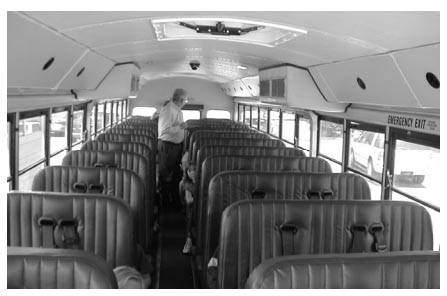
The experiment revealed significant challenges. Elementary bus capacity dropped from 71 to 59 students. Middle and high school capacity losses varied, with some buses reduced from 59 to 35 seats. High school students often chose to sit two per seat rather than three due to tight spacing, further reducing capacity.
Drivers reported that 50% to 75% of elementary students used the seatbelts, while compliance was “nearly zero” for middle and high school students. Additionally, a single driver could not enforce seatbelt usage during morning routes or even visually confirm if students were wearing belts due to seat configuration and height.
The additional cost per bus was approximately $7,700. Manufacturers quoted $10,000 per bus for the seatbelt configuration, with annual replacement costs estimated at $8.6 million—not including expenses for purchasing additional buses to offset capacity losses or hiring and training new drivers.
The state ultimately decided against implementing seatbelts on school buses fleet-wide.
Safety By Design
School buses rank among the most regulated and safest vehicles on the road, according to transportation safety experts. Beyond compartmentalization, buses feature multiple safety mechanisms including their substantial weight, overhead flashing lights, stop arms that halt traffic during loading and unloading, elevated passenger decks, distinctive bright yellow coloring, low-speed stop-and-go travel patterns, and well-trained drivers.
The combination of these design features and operational practices makes school buses significantly safer than passenger vehicles in both preventing crashes and minimizing injuries when accidents occur.
###